🌍 Transforming Lives Through Sustainable Development
🌍 Transforming Lives Through Sustainable Development
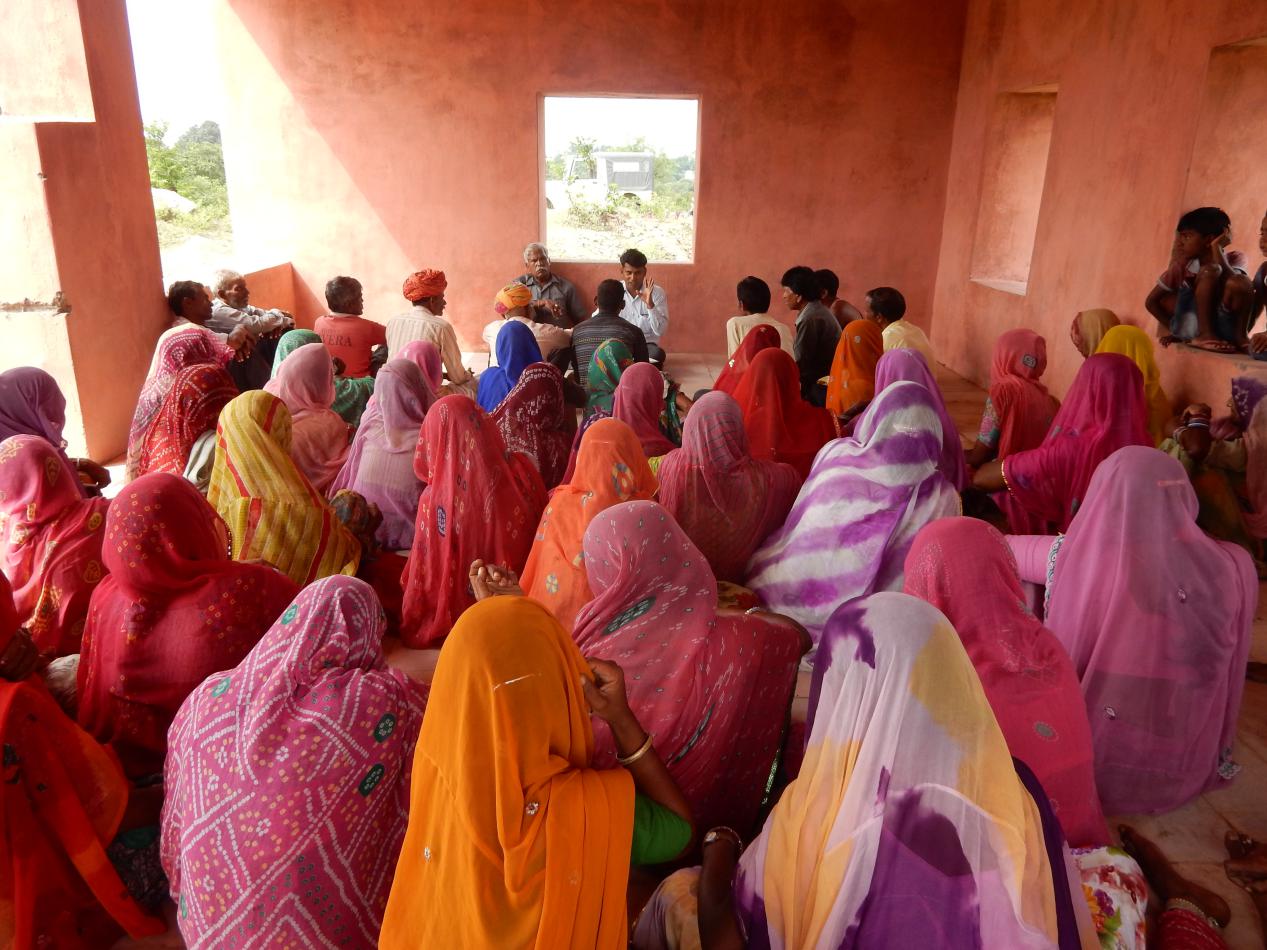
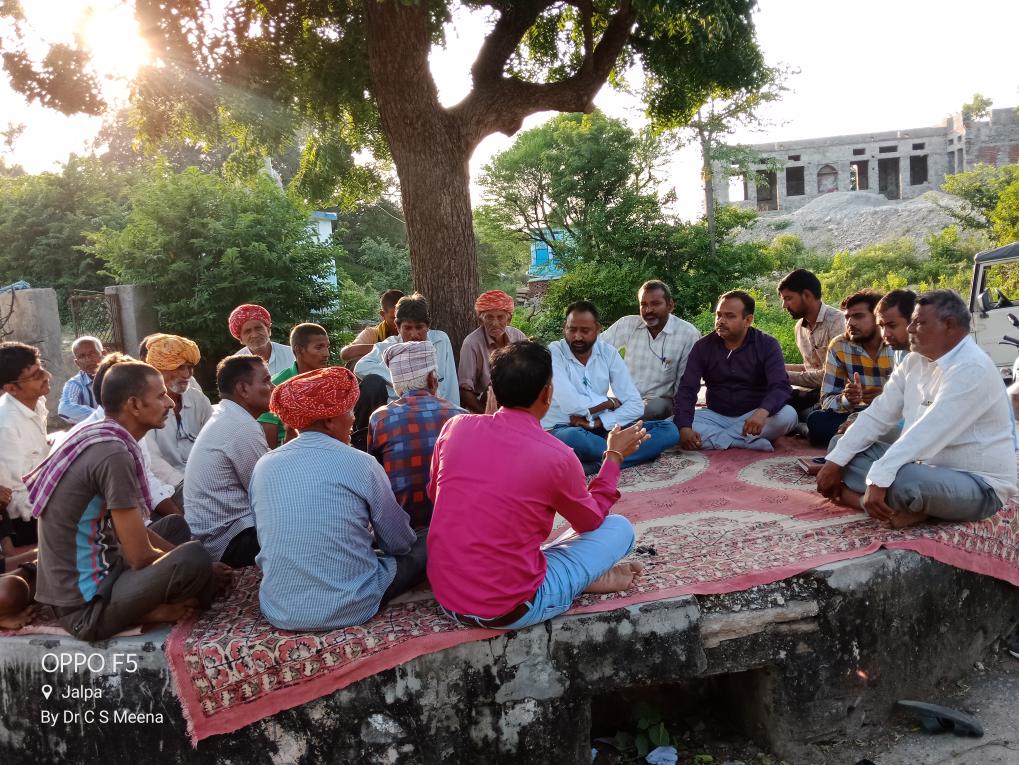
Strong, self-governed community institutions are the backbone of Arpan's sustainability strategy. In every intervention, we mobilize communities, nurture representative institutions, build their capacities, and progressively transfer ownership of assets and processes to them — ensuring that development outcomes endure long after project completion. This institution-first approach, implemented in close collaboration with Panchayati Raj Institutions, contributes to SDG No. 1, 2, 5, 6, 8, 16 & 17.
*Key community institutions promoted and strengthened by Arpan include:*
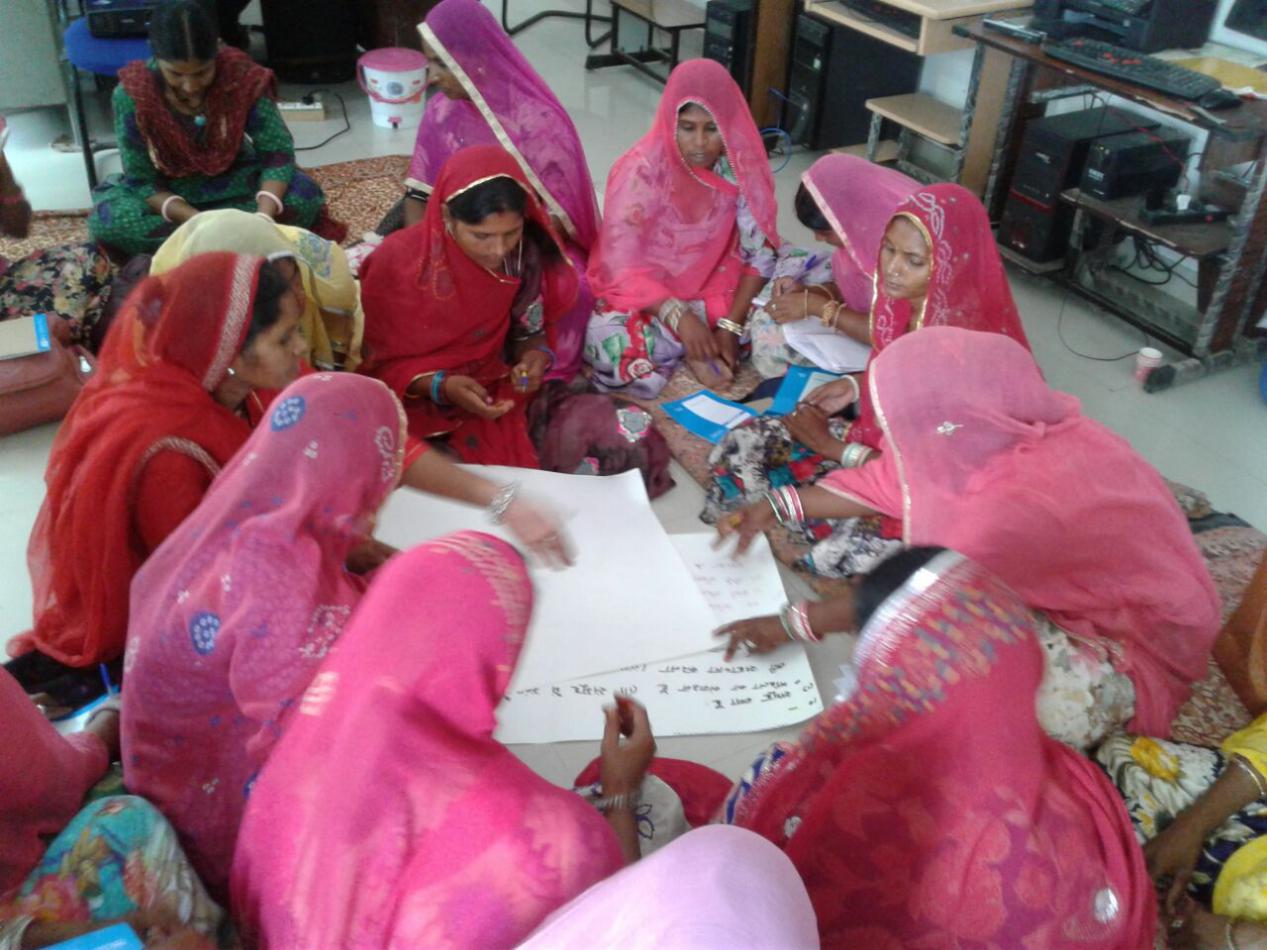
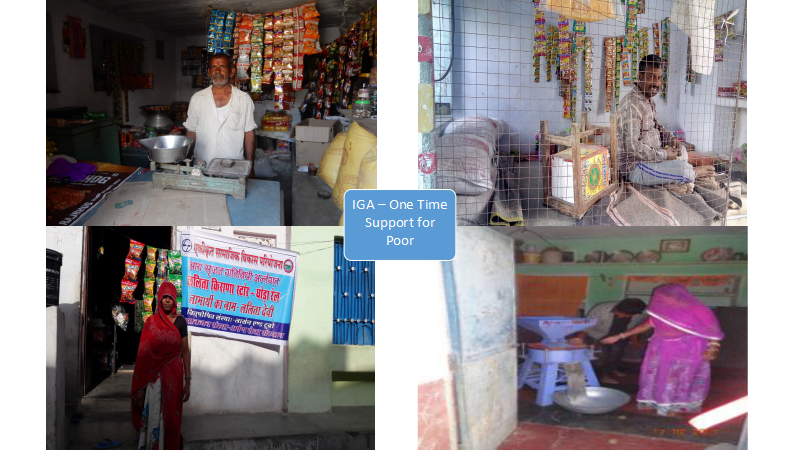
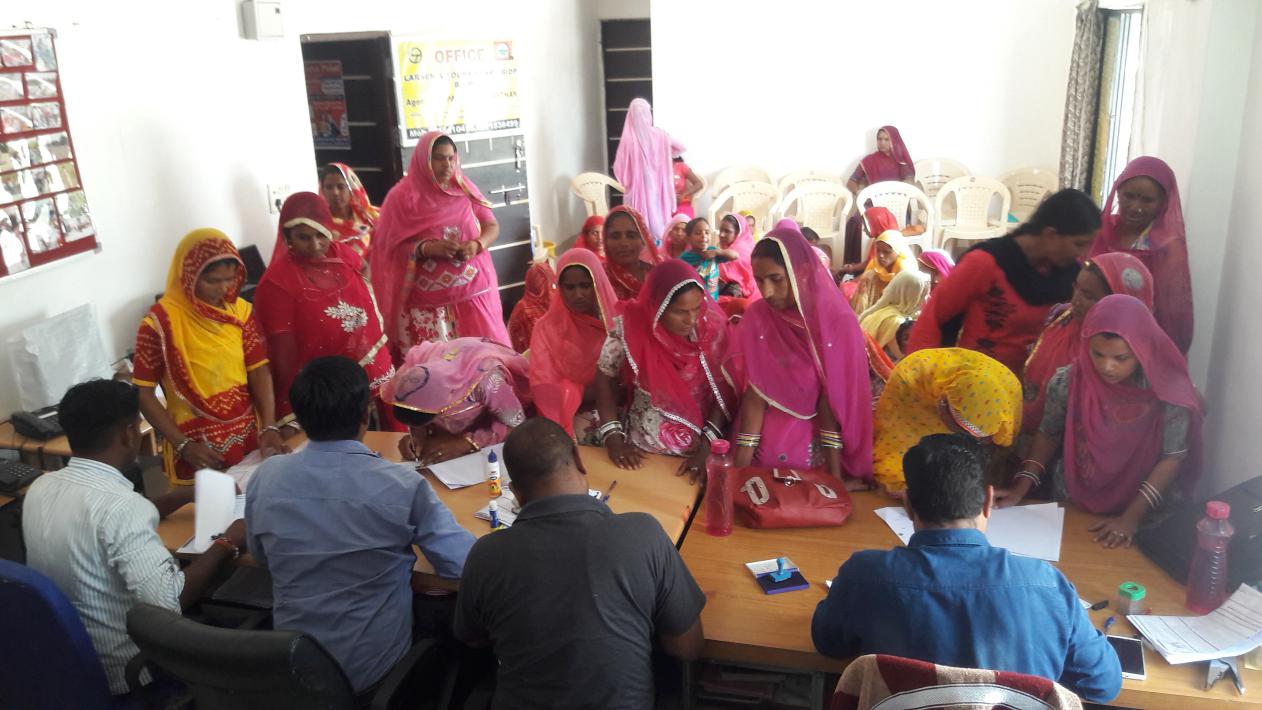
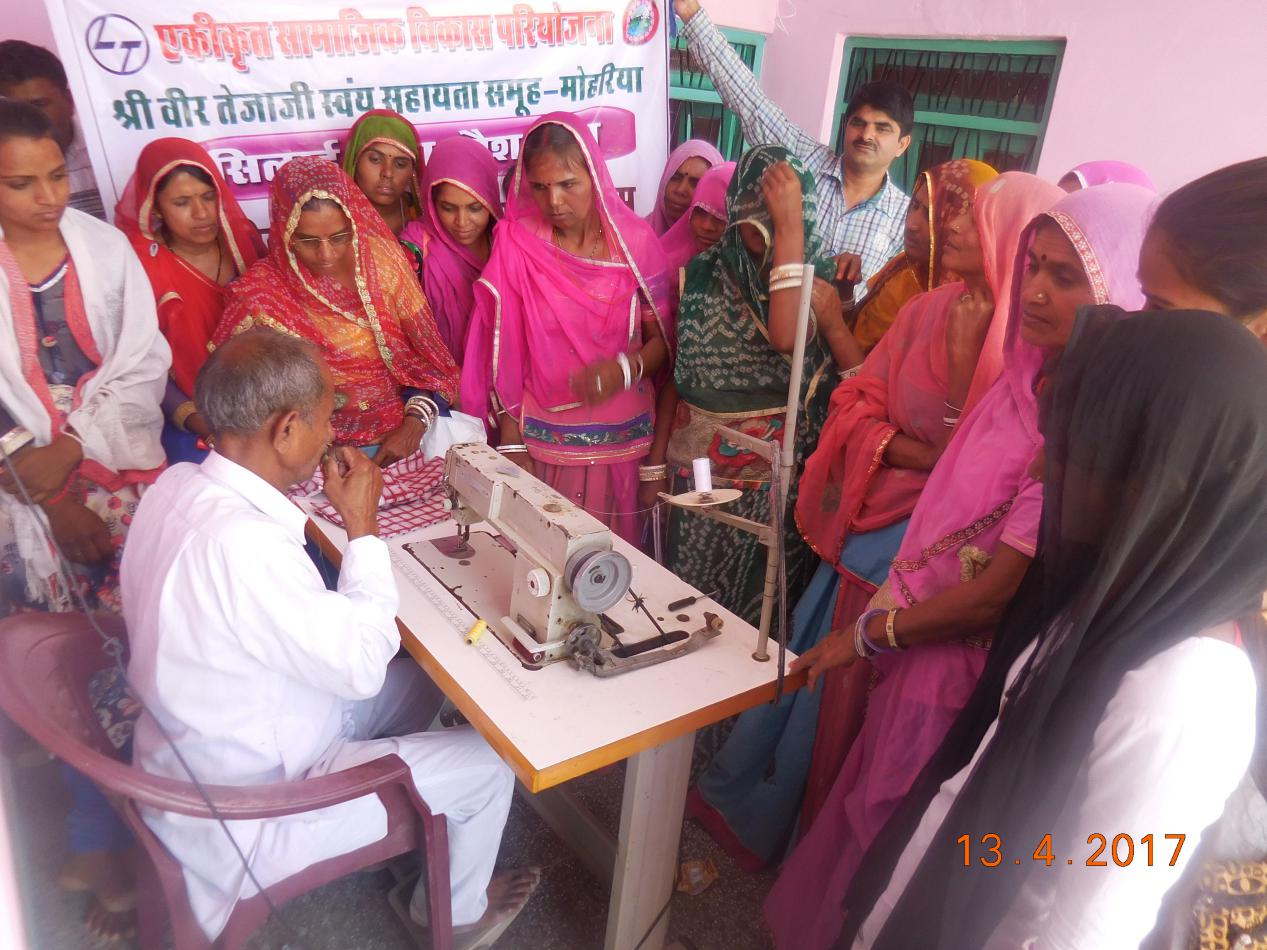
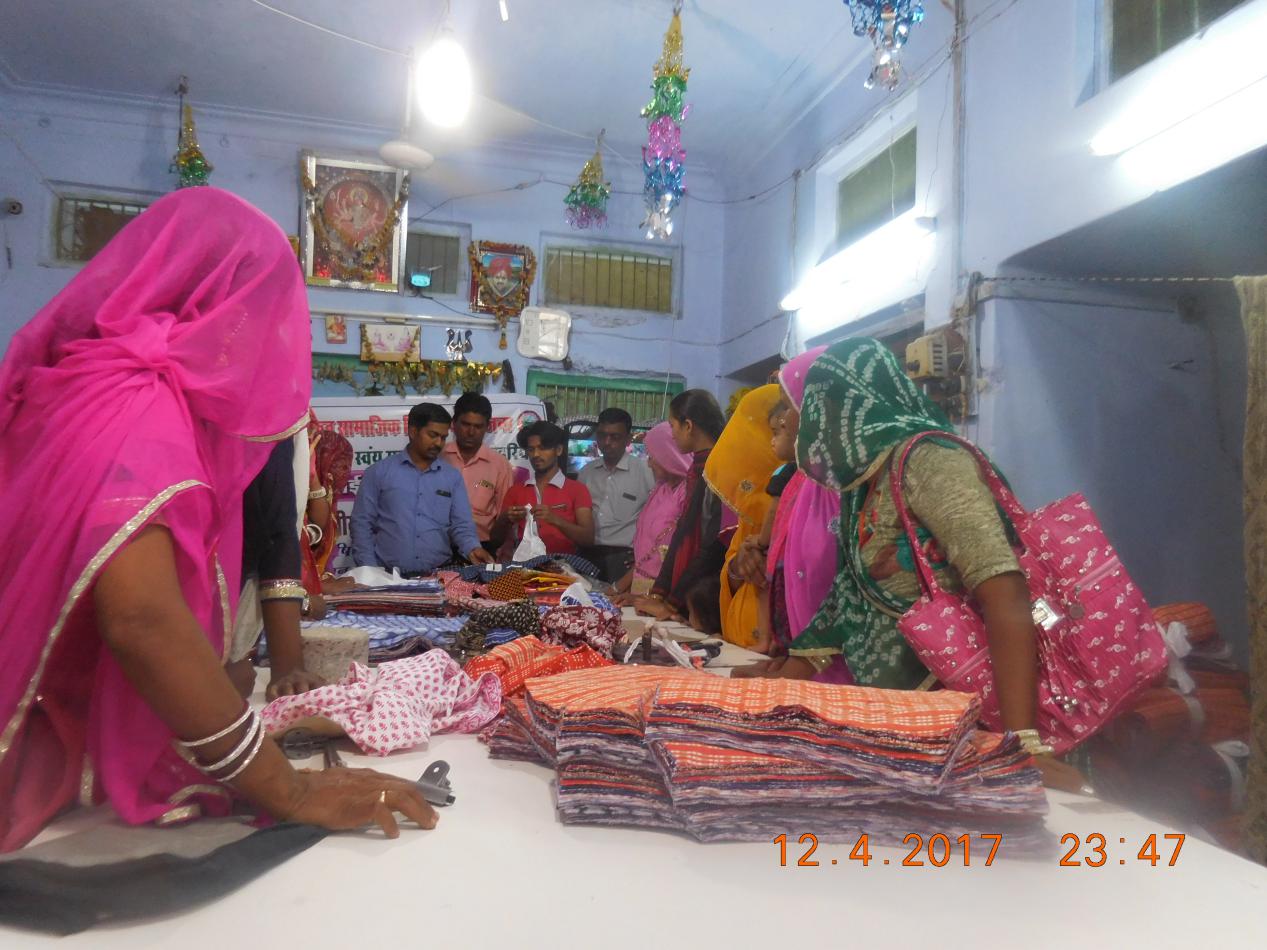
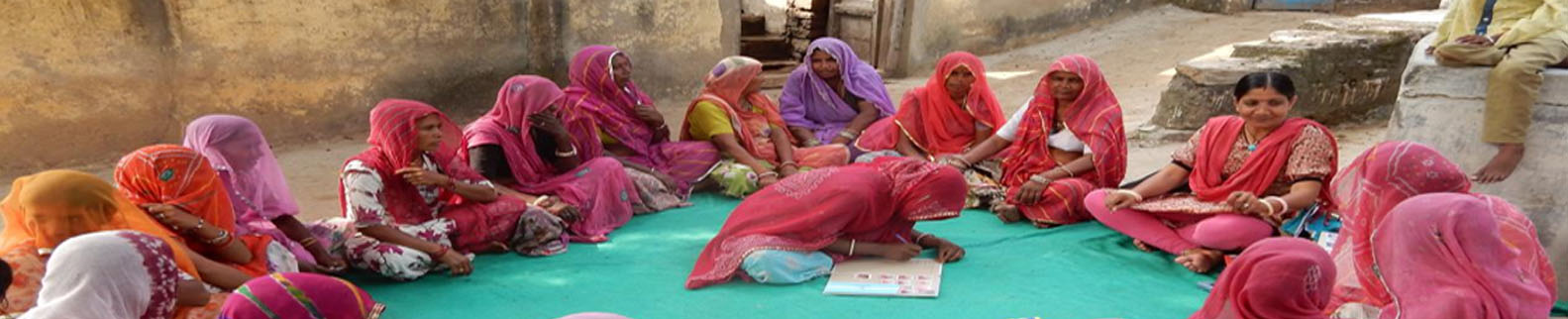
- *Self Help Groups & Women's Federations:* Promoted and strengthened 560+ Self Help Groups and 4 federations, empowering rural women through savings and credit, micro-enterprise, and collective action. The women-led federation "MagraMahilaSamiti" in Bhim block of Rajsamand district, built on 100 SHGs with 1,237 women members, stands as a model of women's leadership and financial independence.
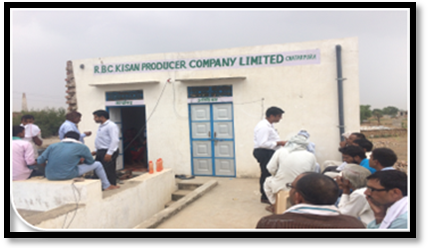
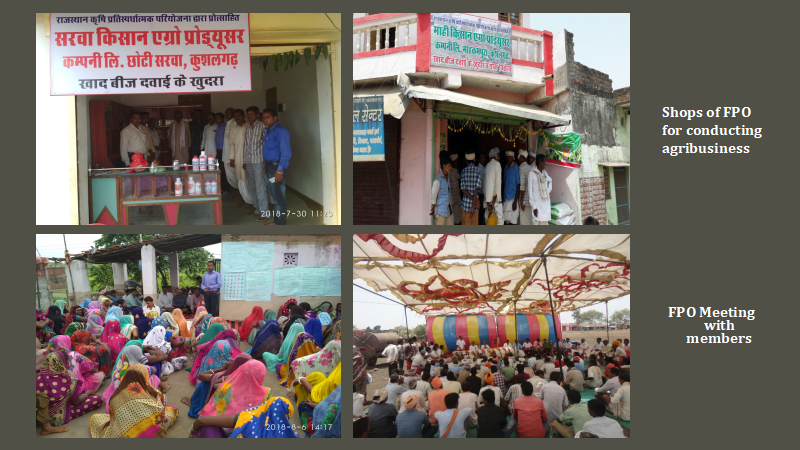
- *Farmer Producer Organizations (FPOs):* Facilitated 10 FPOs providing market linkages and value addition to over 50,000 stakeholders. The women-led "ArpanMagra Farmer Agro Producer Company Limited" in Rajsamand district, with 523 active members, works in organic manure production, quality seed production, and goatery-based livelihoods, achieving an annual turnover of approximately INR 55,00,000.
- *Water Users' Associations (WUAs):* Strengthened WUAs of 97 irrigation sub-projects covering 4 lakh hectares of command area across 1,500+ villages, directly benefiting 7.5 lakh+ farmer families and institutionalizing participatory irrigation management with gender mainstreaming in the water sector.
- *Watershed & Village-Level Institutions:* Formed and nurtured Watershed Development Committees, User Groups, Joint Liability Groups, Village Development Committees, Village Water & Sanitation Committees, and School Management Committees that plan, implement, and maintain community assets across our project areas.
- *Community Cadres & Grassroots Leadership:* Developed village-level cadres such as PashuSakhis and community resource persons who anchor institutional processes and deliver doorstep services, ensuring institutions remain vibrant and self-reliant.
Arpan's institution-building follows a proven lifecycle — community mobilization, institution formation, capacity building, linkage with banks, markets, and government schemes, and gradual handover — creating empowered local institutions that own and sustain the development process.