Livelihood Enhancement

ARPAN SEVA SANSTHAN committed for sustainable livelihoods of communities aligning with SDG No. 1, 2, 3, 5, 7, 8, 10, 13, 15 & 17 and India's Nationally Determined Contributions (NDCs), representing all-inclusive approaches to empower and create opportunities in both the farm and non-farm sectors. We promote capabilities, technological upgradation and access to services required for establishing the value chain for community led products to transform the lives of countless families, leading to increase in their socio-economic levels.

Key Interventions in On-Farm Based Livelihoods:-

01. Regenerative Agriculture

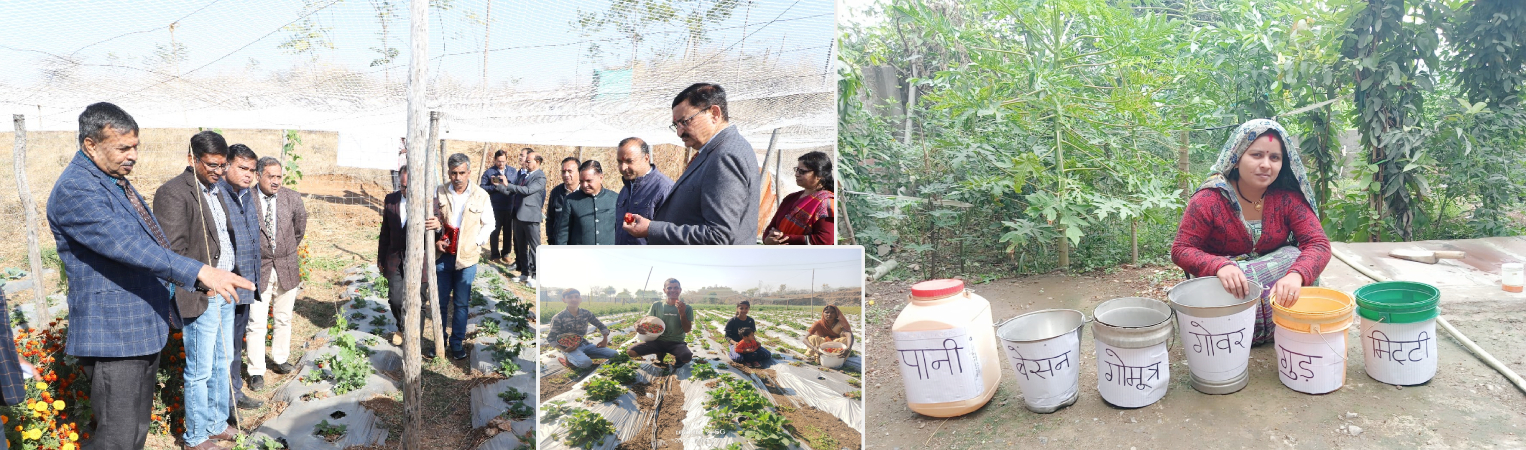
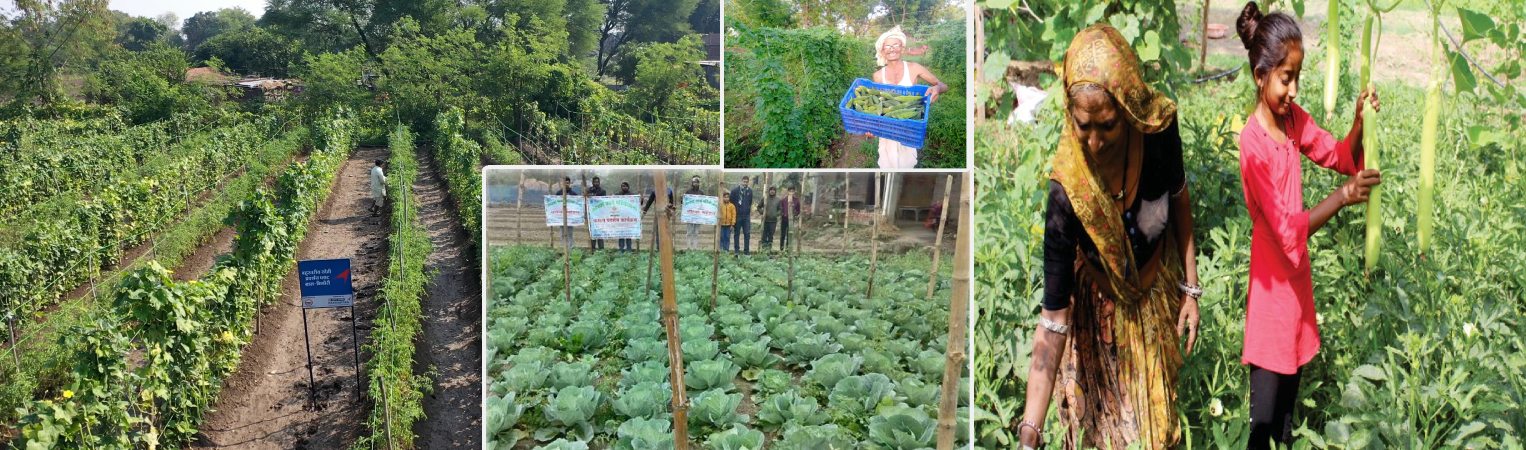
Arpan has made substantial strides in transforming farming into a sustainable and profitable endeavour by shifting from conventional practices to improve climate resilient sustainable agriculture practices such as Hi-Tech Agriculture, Precision Farming, trellis/Vertical Farming and use of micro-irrigation systems. Coupled with tailored crop-specific practices, these initiatives have led to notable increases in the yields of cereals, pulses, spices, and oilseeds as well as vegetable cultivation. The adoption of Natural Farming, along with practices like zero tillage, the use of microbial inoculants, micro-irrigation, and crop diversification, has further reduced input costs, mitigated risks, improved productivity, and ultimately regenerated the ecosystem, resulting in increased income for the farming community over 600,000 families from Rajasthan, M.P., U.P., Haryana and Maharashtra and provided market linkages support and value chain development.

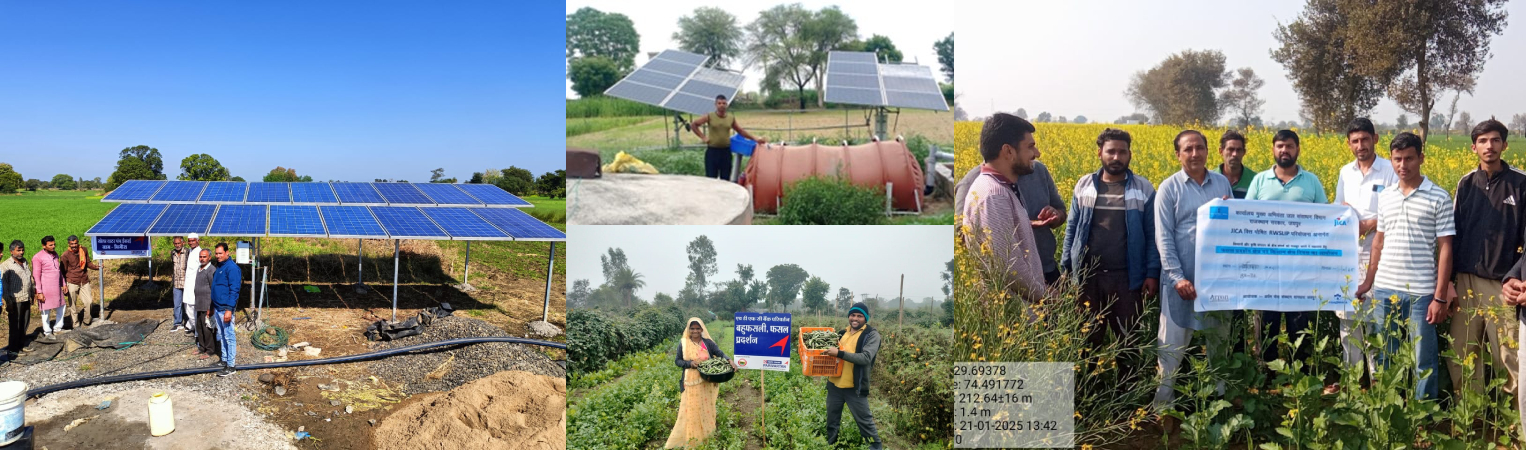
Arpan has successfully promoted affordable and clean energy by installing solar-based irrigation pumps that offer farmers a dependable and low-cost water source, reduce reliance on diesel and electricity, and perform effectively even in remote areas with limited power access. By providing clean, energy-efficient, and low-maintenance irrigation solutions, the initiative has improved water availability, enhanced crop productivity, and supported environmentally responsible farming practices.
Arpan has introduced innovative, low-cost clay-based Sub Surface Porous Vessels (SSPV) for vegetable cultivation for the poor landless families, water scare villages and where no or minimal soil depth. This innovative technology supports to 2000+ families with the support of IIT, Jodhpur. 

02. Agro-Horticulture-Forestry WADI Model

Development of Horticulture WADIs and extensive horticulture and forestry plantations, ARPAN has created sustainable livelihood opportunities for farmers of Rajasthan, M.P., U.P. & Haryana states. The cultivation of various fruits, including Mango, Lemon, Guava, Pomegranate, Aonla, and Ber not only enhances income levels but also promotes nutritional level of household engaged in Orchard rearing and environmental sustainability. Arpan has developed horticulture orchards for 6,300+ families, resulting in over 380,000 horticulture plantations and more than 700,000 forestry plantations along farm boundaries. 
We have introduced high yielding & early fruit bearing varieties of horticulture crops along with vegetable cultivation as inter-cropping which have enhanced the income from INR 80,000/- to 200,000/- per acre annually. 

03. Sustainable Animal Husbandry

We promote low-emission livestock practices, improve breeding, provide animal health services, and manage feed to benefit over 200,000 rural families while contributing to climate change mitigation. Established Rajasthan state first ever community managed veterinary path lab for large ruminants.  
Arpan has developed a cadre of over 200 trained Livestock Assistants, designated as “PashuMitras,” to strengthen last-mile veterinary service delivery in rural communities. These para-veterinarians are equipped to provide essential services including vaccination, deworming, basic disease management, and advisory support. Their technical capacities have been enhanced through structured upskilling programs in collaboration with leading institutions such as National Dairy Research Institute and reputed state agricultural universities.
Through the promotion of integrated livestock management practices, covering preventive healthcare, improved feeding regimes, breed management, and scientific dairy practices there has been a measurable increase in the productivity of milch animals across project areas. Enhanced productivity has contributed to higher household incomes and has catalyzed rural entrepreneurship. This is reflected in the establishment of cattle feed units, dairy product enterprises, dairy value-chain interventions, and the installation of Bulk Milk Chillers, thereby strengthening local dairy ecosystems and market linkages.

04. Promotion of Scientific Backyard poultry

In tribal-dominated regions, Arpan has promoted and established over 5,000 scientific backyard poultry units among economically vulnerable households. The intervention focuses on improved breeds, scientific housing, vaccination, feed management, and regular handholding support to ensure higher survival rates and productivity.
As a result, participating families have been able to generate an additional annual income of approximately INR 40,000–50,000 through the sale of birds and eggs. Beyond income enhancement, the initiative has significantly contributed to improved household nutrition by increasing access to protein-rich food, thereby strengthening food security and overall well-being among tribal communities.

05. Promotion of Goat Rearing as a Sustainable Livelihood

Goatery serves as a vital livelihood asset for economically vulnerable and tribal households, often functioning as a dependable source of income, savings, and risk mitigation. Recognizing its potential, Arpan has promoted goatery as a sustainable and climate-resilient livelihood model among more than 6,000 poor and tribal families.
The intervention has enabled participating households to enhance their annual income by approximately INR 15,000–20,000 through improved productivity and reduced mortality. The organization provides structured training and continuous capacity-building support on breed improvement, scientific goat housing, balanced feeding practices, and preventive healthcare. To strengthen last-mile animal health services, Arpan has also developed and trained over 100 community-based “PashuSakhis,” who facilitate timely deworming, vaccination, and basic veterinary support within villages. This community-led approach ensures sustainability, improves herd health, and enhances long-term livelihood security for marginalized families.

Key Interventions Non-Farm Based Livelihoods:-

01. Skill Development

Arpan identifies the interests and feasibility of 55,000+ youth and women by designing skill development programs in various fields. This approach empowers individuals to secure sustainable income-generating opportunities. Arpan has focused on skill development for rural youth through training and placement programs in areas such as masonry, plumbing, electrician work, sewing and tailoring, beautician services, and data operation. Additionally, upskilling of potters on manufacturing of low-cost clay-based Sub Surface Porous Vessels (SSPV) and clay-based Gravity Water filters. 

02. Enterprises Development

Arpan promotes rural enterprise development through structured training and capacity-building support, enabling community members to establish viable micro and small enterprises. These include masala processing units, papad and mangodi production, pattal-dona units, grocery shops, boutiques (PoshakGhar), salons, tent house services, flour mills, cattle feed units, dairy product enterprises, dairy development initiatives, and the installation of Bulk Milk Chillers. The approach focuses on entrepreneurship development, income enhancement, and strengthening local rural economies.

03. Value Chain Support

Through the establishment of Farmer Producer Organizations (FPOs) and market linkages for both farm-based and non-farm-based livelihoods, ARPAN has enabled over 50,000 stakeholders to access sustainable markets, thereby increasing their income and promoting long-term economic growth. Arpan has facilitated market linkages and value addition through 10 FPOs, four federations, and 560 self-help groups (SHGs). Additionally, we support enterprise development by promoting “rural haats” and developing individual entrepreneurs in areas such as poultry, goat rearing, dairy, and agro value addition.

Images